
In many homes, crawlspaces are often overlooked areas that can harbor moisture issues if not properly maintained. For homeowners and property buyers, understanding how to check crawlspaces for moisture is crucial to preserving the structural integrity of a property. Moisture in crawlspaces can lead to mold growth, wood rot, and even structural damage. Regular inspections and maintenance are essential to prevent these issues and ensure a healthy living environment.
Identifying Signs of Moisture
One of the first steps in checking a crawlspace for moisture is to look for visible signs. This involves a careful visual inspection of accessible areas. Inspectors typically note:
- Water stains or discoloration on the foundation walls or floor
- Musty odors, which can indicate mold or mildew presence
- Condensation on pipes or ductwork, suggesting excessive humidity levels
- Warped or soft spots in wood, pointing to potential water damage
These indicators suggest that moisture may be present and further evaluation by a specialist could be necessary.
Measuring Crawlspace Humidity Levels
Humidity measurement is a practical method for assessing crawlspace conditions. Industry standards recommend maintaining relative humidity levels below 60% to prevent mold growth. Professionals often use hygrometers to measure humidity. If levels are consistently above the recommended threshold, it may be advisable to consider installing a dehumidifier or improving ventilation.
Effective Moisture Control Measures
Preventing moisture buildup in crawlspaces involves several proactive measures:
- Ensure proper drainage around the home’s foundation to direct water away.
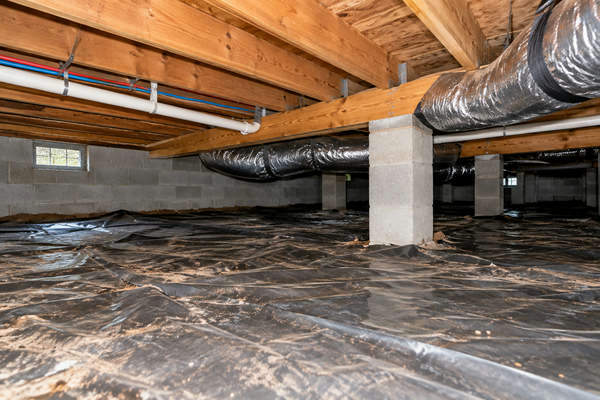
- Install vapor barriers on the ground to reduce moisture intrusion.
- Seal any cracks or openings in the foundation to prevent water entry.
These steps align with industry best practices and can significantly reduce the risk of moisture-related problems.
In conclusion, regular checks of crawlspaces for moisture are a vital part of home maintenance. Identifying signs of moisture, measuring humidity levels, and implementing effective control measures can protect a property from potential damage. For a comprehensive evaluation, engaging professional home inspection services is recommended to ensure all aspects of a home are thoroughly assessed.
Recent Comments