
In the daily routine of managing a home, understanding its electrical panel might not always top the priority list. However, this component plays a crucial role in household safety and functionality. For both homeowners and prospective buyers, comprehending this system is essential for maintaining efficient and safe electrical operations within the living space.
Understanding the Basics of an Electrical Panel
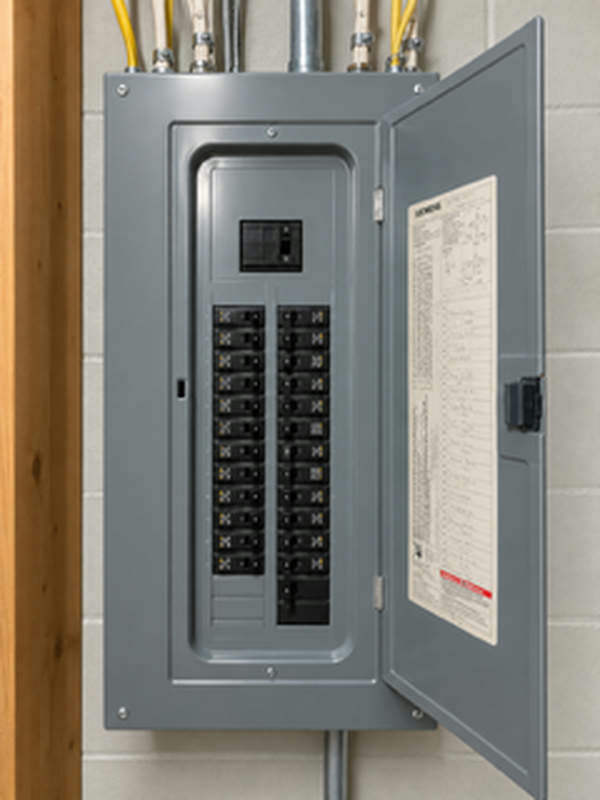
An electrical panel, often referred to as a breaker box, serves as the central hub for a home’s electrical system. It distributes electricity to various circuits throughout the property. Typically located in basements, garages, or utility rooms, the panel houses circuit breakers that control the power supply to different parts of the home. Standard panels come in various capacities, generally ranging from 100 to 200 amps, depending on the size and needs of the property.
Key components of an electrical panel include:
- Main Breaker: Controls the power supply to the entire panel.
- Individual Circuit Breakers: Manage the power to specific circuits, providing protection by tripping in case of an overload.
- Bus Bars: Conduct electricity from the main breaker to the individual circuit breakers.
Importance of Proper Labeling
Proper labeling within an electrical panel is vital for safety and efficiency. Each circuit breaker should be clearly labeled to indicate the area or appliance it controls. This assists in quickly identifying and addressing issues when they arise. Industry best practices suggest using durable, legible labels that can withstand the test of time.
Key tips for labeling include:
- Use permanent markers or label makers for clarity and durability.
- Regularly update labels to reflect any changes in the electrical system.
- Ensure each label is specific enough to be easily understood during emergencies.
Professional Inspections and Maintenance
While understanding an electrical panel is beneficial, engaging professional inspection services ensures a comprehensive evaluation of the system’s safety and functionality. Inspectors observe accessible components and recommend further evaluation by licensed specialists if issues are noted. Routine inspections can prevent potential electrical hazards and ensure compliance with regional electrical codes and standards.
In summary, familiarity with an electrical panel and its labels enhances a homeowner’s ability to manage their property safely. Regular inspections by professionals provide added assurance of electrical safety and efficiency. Engaging with skilled home inspection services offers peace of mind and ensures the longevity of a home’s electrical system.
Recent Comments