
In the intricate world of home systems, the circuit breaker serves as the unsung hero, maintaining a delicate balance between safety and potential chaos. This essential component ensures that homes remain safe from electrical overloads and potential fires. Understanding its importance can empower homeowners and property buyers to prioritize safety and efficiency in their electrical systems.
The Role of Circuit Breakers in Home Safety
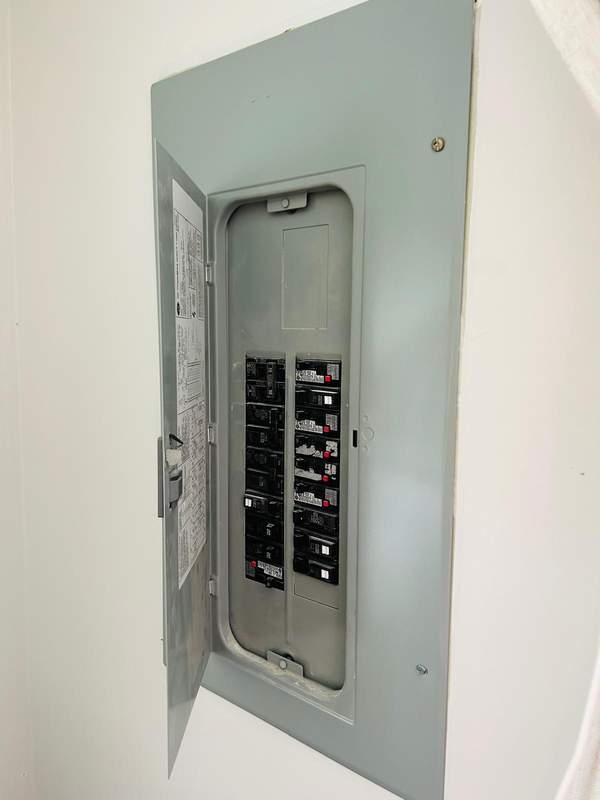
The circuit breaker is a critical line of defense in a home’s electrical system. Its primary function is to interrupt electric current when a fault, such as an overload or short circuit, occurs. This prevents damage to the electrical wiring, appliances, and, most importantly, the risk of fire. Typically designed to handle between 15 to 20 amps, circuit breakers effectively manage the flow of electricity, ensuring that circuits do not exceed their safe operating limits.
Professional home inspectors often emphasize the importance of regular inspection and maintenance of circuit breakers. Common issues that can arise include:
- Tripped Breakers: Frequently tripped breakers may indicate an overloaded circuit or a faulty breaker.
- Corrosion and Rust: Moisture can lead to corrosion, compromising the breaker’s functionality.
- Outdated Panels: Older panels may not meet current safety standards, posing a risk to modern appliances.
Best Practices for Homeowners
Homeowners should adopt proactive measures to ensure the reliability and safety of their circuit breakers:
- Regular Inspections: Have a professional inspect the electrical panel annually to identify potential issues.
- Proper Load Management: Distribute electrical loads evenly to avoid overloading certain circuits.
- Upgrade When Necessary: Consider upgrading outdated panels to accommodate modern electrical demands.
Industry standards, such as the National Electrical Code (NEC), provide guidelines to ensure that electrical installations meet safety requirements. Compliance with these standards is crucial for maintaining a safe home environment.
Conclusion
The circuit breaker is a vital component in maintaining home safety, acting as a safeguard against electrical hazards. Regular inspections and adherence to industry standards are essential for ensuring its optimal performance. Engaging professional home inspection services can provide homeowners with the peace of mind that their electrical systems are secure and up to code.
Recent Comments